
Crater Lake National Park: A Complete Guide
| Easy | Moderate | Difficult | Wheelchair accessible | Pet friendly |
|---|---|---|---|---|
| 12 | 15 | 8 | 2 | 2 |
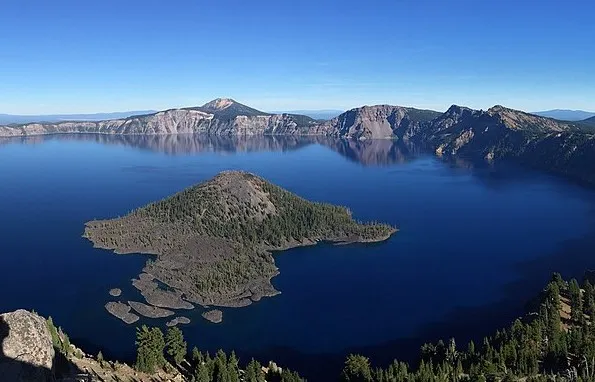
Crater Lake National Park, located in southern Oregon, is home to the deepest lake in the United States, known for its stunningly clear blue water. Formed over 7,700 years ago by the collapse of Mount Mazama, this caldera lake offers a breathtaking landscape of sheer cliffs, volcanic features, and surrounding forests. The park is a haven for outdoor enthusiasts, offering activities such as hiking and scenic drives. Boat tours are not available while the Cleetwood Cove Trail is closed for reconstruction (a multi-year project; check the park's conditions page for the expected reopening).
History of the Park
Crater Lake National Park was established in 1902, making it the fifth-oldest national park in the United States. The lake's formation is the result of a volcanic eruption of Mount Mazama, which collapsed to create the caldera that filled with water over centuries. Native American tribes, particularly the Klamath, have long revered the lake for its spiritual significance. European settlers discovered the lake in the mid-19th century, and conservation efforts began shortly thereafter, leading to the park's official designation.
Main Features
- Crater Lake: The centerpiece of the park, this lake is known for its remarkable depth (1,943 feet) and clarity. Visitors can admire its beauty from various viewpoints along the rim. Wizard Island, a volcanic cinder cone that rises above the lake's surface, can normally be reached by boat tour, but tours are suspended during the Cleetwood Cove Trail reconstruction (a multi-year project; check the park's conditions page for the expected reopening).
- Rim Drive: A 33-mile scenic loop around the caldera offers spectacular views of the lake and surrounding landscape. There are several pullouts along the drive for photography and wildlife viewing.
- Wizard Island: The island is reached by boat, and no boats or shore access are available while the Cleetwood Cove Trail is closed for reconstruction (a multi-year project; check the park's conditions page for the expected reopening), so the summit hike is not possible during the closure.
- Mount Scott: The highest point in the park, offering a challenging hike and rewarding vistas of the entire Crater Lake area.
Types of Trails
- Easy Trails: Some of the more accessible trails include the Godfrey Glen Trail (1.1 miles round-trip) and the Sun Notch Trail (0.8 miles round-trip), both of which offer gentle terrain and beautiful viewpoints.
- Moderate Trails: The Watchman Peak Trail (1.6 miles round-trip) is a popular choice for those seeking a moderate hike with stunning views of Crater Lake from the fire lookout at the top.
- Strenuous Trails: For experienced hikers, the Mount Scott Trail (4.4 miles round-trip) and the Garfield Peak Trail (3.6 miles round-trip) provide more challenging terrain with breathtaking views of the lake and surrounding wilderness.
Crowd Expectations and Annual Visitors
Crater Lake National Park receives approximately 630,000 visitors annually, with the majority coming during the summer months (June through September). Weekends in July and August tend to be the busiest, and parking near popular viewpoints and trailheads can be limited during peak times. To avoid crowds, it is recommended to visit during the shoulder seasons in late spring or early fall.
Accessibility for Seniors and Wheelchairs
Crater Lake National Park offers several wheelchair-accessible facilities, including the paved promenade at Rim Village, which provides views of the lake. The Sinnott Memorial Overlook at Rim Village is reached by a steep historic walkway with stairs and is not accessible to people with limited mobility. Many of the viewpoints along Rim Drive are accessible, and accessible restrooms are available at Rim Village and other key locations. Seniors can also take advantage of the America the Beautiful Senior Pass, which offers discounted entry to the park and other national parks across the U.S.
Park Amenities
The park provides a range of amenities, including the Crater Lake Lodge, which offers dining and lodging with spectacular views of the lake. Rim Village features a visitor center, gift shop, and café. There are several picnic areas around the park, and ranger-led programs, including guided hikes, may be offered during the summer months.
Camping Facilities
- Mazama Campground: The park’s main campground, offering over 200 sites for tents and RVs. The campground is open seasonally from June to late September and includes restrooms, showers, and a camp store. Reservations are recommended during peak season.
- Lost Creek Campground: A smaller, tent-only campground that was closed in recent years. Check the park's current conditions page before planning to camp there.
Access to Lodging
In addition to the Crater Lake Lodge, nearby towns such as Klamath Falls, Prospect, and Medford provide a variety of lodging options, including hotels, motels, and bed-and-breakfast establishments. These towns are within a one- to two-hour drive from the park, making them convenient options for visitors who prefer off-site accommodations.
Pet-Friendliness
Crater Lake National Park has limited pet-friendly areas. Pets are allowed on paved roads, in parking areas, and up to 50 feet away from the road, but they must be leashed at all times. Pets are not permitted on most trails or in public buildings, including the lodge. However, the Grayback Drive and Rim Village pathways offer short walks where pets are welcome.
Best Months to Visit
The best months to visit Crater Lake are July through September, when most roads and facilities are open. The West Rim Drive and North Entrance typically open between mid-May and late June, and the East Rim Drive typically opens between mid-June and late July. These months provide the best weather for hiking, boat tours, and photography. The park experiences heavy snowfall during the winter, which limits access to Rim Drive and many trails, but winter sports enthusiasts can still enjoy snowshoeing and cross-country skiing.
Conclusion
Crater Lake National Park is a must-visit destination for nature lovers, offering awe-inspiring views, a rich history, and a range of outdoor activities. Whether you're hiking to scenic overlooks, enjoying a boat tour on the lake, or simply taking in the beauty from a viewpoint, this park offers an unforgettable experience. For those seeking adventure or tranquility, Crater Lake delivers in every season, making it one of the most cherished natural wonders in the United States.
Plan Your Visit
An entrance fee or pass is required, but no reservations or timed entry are needed for vehicles, and the park does not accept cash. Rim Drive and the North Entrance close for the season on November 1, or earlier with heavy snow. The Cleetwood Cove Trail, the only legal access to the lake shore, is closed for reconstruction, so boat tours, swimming, and fishing in the lake are not available, and construction on part of East Rim Drive has also affected some trails and viewpoints. Sites at Mazama Campground can be reserved in advance through Recreation.gov for much of the summer, and Crater Lake Lodge and the Cabins at Mazama Village are booked through the park concessioner. Use the official National Park Service pages for current prices, road and trail conditions, and closures.