
North Cascades National Park: A Comprehensive Guide
| Easy | Moderate | Difficult | Wheelchair accessible | Pet friendly |
|---|---|---|---|---|
| 15 | 25 | 18 | 3 | 7 |
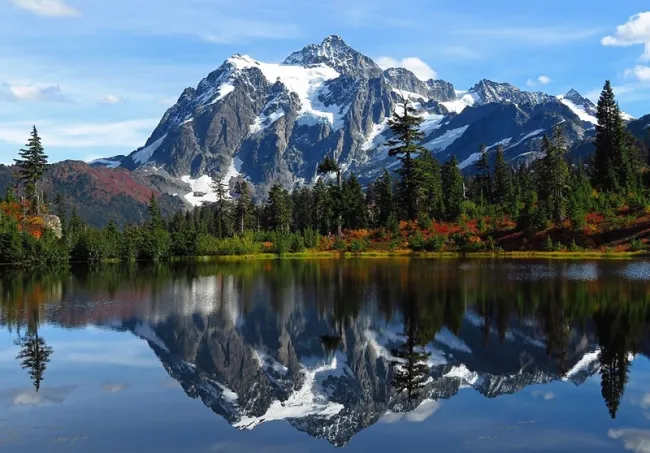
Nestled in the rugged wilderness of Washington state, North Cascades National Park is often referred to as the "American Alps" due to its stunning mountain landscapes, glaciers, and pristine forests. It spans over 500,000 acres and is a haven for outdoor enthusiasts, offering a serene escape from urban life. Despite its breathtaking beauty, North Cascades remains one of the least visited national parks, making it a perfect destination for those seeking solitude and untouched wilderness.
History of the Park
North Cascades National Park was established on October 2, 1968, after years of advocacy by conservationists who recognized the area's ecological and scenic value. The park is part of the North Cascades National Park Complex, which also includes Ross Lake National Recreation Area and Lake Chelan National Recreation Area. Indigenous tribes, including the Upper Skagit, Sauk-Suiattle, and Nooksack, have long inhabited the region, relying on its natural resources for food and shelter. The area’s history is rich with stories of early European settlers, miners, and loggers, but it is the wilderness and preservation efforts that have defined its legacy as a national park.
Main Features
North Cascades National Park is renowned for its dramatic landscapes, which include jagged peaks, alpine lakes, and over 300 glaciers—the most of any U.S. national park outside Alaska. The park is also home to diverse ecosystems, ranging from temperate rainforests to arid shrublands. Key features of the park include:
- Glaciers: With over 300 glaciers, North Cascades is a prime destination for glacier viewing, including the famous Boston Glacier.
- Lakes and Rivers: Ross Lake, Diablo Lake, and the Skagit River offer opportunities for boating, fishing, and stunning photography.
- Wildlife: The park is home to a variety of wildlife, including black bears, mountain goats, gray wolves, and more than 200 species of birds.
- Scenic Drives: The North Cascades Highway (State Route 20) provides breathtaking views and easy access to many parts of the park.
Types of Trails
North Cascades National Park offers over 400 miles of trails, catering to hikers of all skill levels:
- Easy Trails: Short, scenic trails like the Sterling Munro Boardwalk and Happy Creek Forest Walk are accessible and suitable for families and casual hikers.
- Moderate Trails: The Thunder Knob Trail is an easy to moderate hike with views of Diablo Lake. The Blue Lake Trail, off State Route 20 near Washington Pass, is a national forest trail outside the park.
- Strenuous Trails: For experienced hikers, the Cascade Pass Trail and Sahale Arm provide challenging ascents with spectacular alpine scenery.
Crowd Expectations and Annual Visitors
Despite its majestic landscapes, North Cascades National Park remains one of the lesser-visited national parks, recording only tens of thousands of recreation visits in a typical year. The park’s remote location and rugged terrain contribute to this low visitation, allowing visitors to experience a sense of solitude and adventure that’s hard to find in more popular national parks.
Accessibility for Seniors and Wheelchairs
Accessibility is a consideration in North Cascades National Park, though the rugged terrain can pose challenges. Some amenities and viewpoints are wheelchair accessible, including the Sterling Munro Boardwalk near the North Cascades Visitor Center, which offers a short, wheelchair-accessible boardwalk with impressive views. Facilities at the visitor centers are also accessible. However, many trails and backcountry areas remain inaccessible to wheelchairs due to steep and uneven paths.
For seniors, the park offers a range of experiences from easy walks to more strenuous hikes, and the scenic drives provide opportunities to enjoy the park without the need for extensive physical activity.
Park Amenities
- Visitor Centers: The North Cascades Visitor Center in Newhalem offers exhibits and park information and is open seasonally. The Golden West Visitor Center in Stehekin has been listed as closed in recent seasons, so check its status before relying on it. The Wilderness Information Center in Marblemount issues backcountry permits.
- Picnic Areas: There are several picnic areas within the park, providing beautiful spots to relax and enjoy the scenery.
- Restrooms: Restrooms are available at visitor centers and some trailheads, though backcountry facilities are limited.
- Boat Launches: Ross Lake and Diablo Lake offer boat launch facilities, catering to water enthusiasts.
Camping Facilities
Camping is a popular activity in North Cascades, with several campgrounds offering a range of options:
- Car Campgrounds: Newhalem Creek, Colonial Creek, and Goodell Creek campgrounds provide drive-up access and basic amenities like picnic tables, fire rings, and restrooms.
- Backcountry Camping: Permits are required for backcountry camping, and the park offers many remote campsites accessible via hiking trails or water routes.
- Group Camping: Group campsites are available at Newhalem Creek and Colonial Creek, accommodating larger parties.
Access to Lodging
While there are no lodges within the boundaries of North Cascades National Park, several lodging options are available in nearby towns such as Marblemount and Winthrop. Additionally, Ross Lake Resort offers rustic floating cabins on Ross Lake, providing a unique lodging experience surrounded by wilderness.
Pet-Friendliness
Pets are allowed in North Cascades National Park, but they must be on a leash at all times and are restricted to certain areas. Within the national park, pets are not permitted on trails or in the backcountry, with the exception of leashed pets on the Pacific Crest Trail, and leashes may be no longer than 6 feet. However, pets are welcome at the park's car campgrounds and along roads.
Best Months to Visit
The best time to visit North Cascades National Park is from late June to September, when the weather is more favorable, and snow has melted from most trails. July and August are ideal for wildflower viewing, while fall offers spectacular foliage. Winter brings heavy snowfall, making many areas of the park inaccessible, though it can be a paradise for snowshoeing and winter sports enthusiasts.
Conclusion
North Cascades National Park is a hidden gem in the Pacific Northwest, offering unparalleled natural beauty and a sense of tranquility rarely found in more crowded parks. Whether you're a seasoned hiker, a wildlife enthusiast, or someone seeking solitude in nature, North Cascades provides a diverse range of experiences. With its glaciers, alpine lakes, and towering peaks, this park is a testament to the awe-inspiring beauty of the American wilderness, and its relative seclusion makes it a perfect destination for those seeking adventure off the beaten path.
Plan Your Visit
There is no entrance fee for the North Cascades National Park Service Complex, but a Northwest Forest Pass or another accepted pass is needed at many U.S. Forest Service trailheads that lead into the park. Backcountry camping requires a permit from the Wilderness Information Center in Marblemount. The Washington State Department of Transportation usually closes State Route 20 between Ross Dam Trailhead and Lone Fir Campground from November through April because of avalanche risk. Stehekin has no road access and can be reached only by passenger ferry, floatplane, or on foot. Check the official National Park Service pages for current fees, hours, road status, and alerts and conditions before you go.
Sources
- https://www.nps.gov/noca/index.htm
- https://www.nps.gov/places/sterling-munro-boardwalk.htm
- https://www.fs.usda.gov/r06/okanogan-wenatchee/recreation/trails/blue-lake-trail
- https://irma.nps.gov/DataStore/FileSource/Get/2318258?filename=Statistical+abstract+2025.pdf
- https://www.nps.gov/noca/planyourvisit/visitorcenters.htm
- https://www.nps.gov/noca/planyourvisit/pets.htm
- https://www.nps.gov/noca/planyourvisit/fees.htm