
Redwood National Park: A Majestic Wonder of the Pacific Coast
| Easy | Moderate | Difficult | Wheelchair accessible | Pet friendly |
|---|---|---|---|---|
| 18 | 20 | 10 | 5 | 2 |
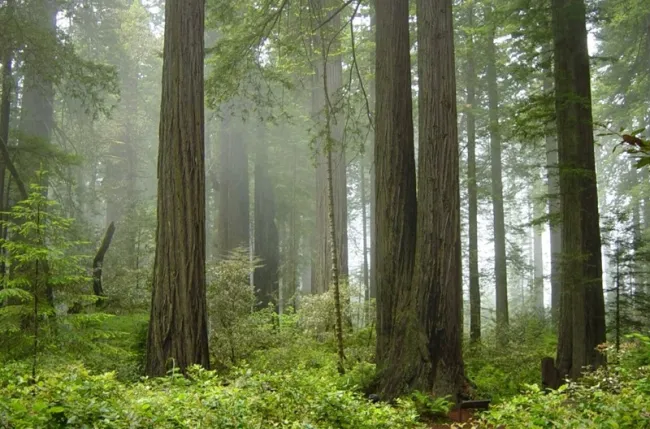
Redwood National Park, located along the northern coast of California, is a vast and serene sanctuary of towering trees, pristine coastal beauty, and diverse ecosystems. The park is home to some of the tallest trees on Earth, the coastal redwoods, which can grow over 300 feet tall and live for over 2,000 years. This UNESCO World Heritage Site and International Biosphere Reserve is a remarkable testament to the natural beauty and ecological significance of ancient forests. Redwood National Park, combined with nearby state parks, protects nearly half of the world’s remaining old-growth redwoods, offering a unique escape into nature.
History of the Park
Redwood National Park was established on October 2, 1968, in response to increasing concerns about the rapid deforestation of the old-growth redwoods, primarily due to logging. By the early 20th century, nearly 90% of the original redwood forests had been logged, and conservationists fought to protect what remained. The creation of the park was a significant victory for environmental protection, although debates with the timber industry continued for years. In 1994, the National Park Service and California State Parks began managing Redwood National Park and three California state parks (Jedediah Smith Redwoods, Del Norte Coast Redwoods, and Prairie Creek Redwoods) cooperatively as Redwood National and State Parks. Today, this system covers over 130,000 acres and preserves not only the redwoods but also grasslands, rivers, and 40 miles of rugged Pacific coastline.
Main Features
The park is renowned for its towering coastal redwoods, but there's much more to explore:
- The Tall Trees Grove: Home to some of the tallest trees in the world, this grove offers a sense of awe and wonder as visitors walk beneath the ancient giants.
- Fern Canyon: A magical canyon with walls covered in lush ferns, creating a prehistoric ambiance. It’s a popular spot for both hikers and photographers.
- Roosevelt Elk: The park is home to a thriving population of Roosevelt elk, the largest subspecies of elk in North America.
- Scenic Drives: Visitors can experience the beauty of the park through scenic drives like Newton B. Drury Scenic Parkway, which winds through old-growth forests.
- Coastal Views: The park’s coastline features dramatic cliffs, secluded beaches, and tide pools teeming with marine life.
Types of Trails
Redwood National Park offers a variety of trails for hikers of all skill levels:
- Easy Trails: Trails like the Lady Bird Johnson Grove Trail and the Trillium Falls Trail offer short walks (the Lady Bird Johnson Grove Trail is not ADA accessible, and Trillium Falls has some steep grades) through stunning redwood forests, perfect for those seeking a leisurely experience.
- Moderate Trails: The Fern Canyon Loop Trail and Tall Trees Grove Trail provide a bit more challenge, rewarding hikers with breathtaking scenery and immersion in nature.
- Strenuous Trails: For seasoned hikers, the Redwood Creek Trail and James Irvine Trail offer longer, more demanding routes that take you deep into the park's wilderness areas.
Crowd Expectations and Annual Visitors
Redwood National Park reported about 1.2 million recreation visits in 2025, and nearly 2.5 million when the state parks are included. The National Park Service attributes most of the increase over its 2024 figure to improved visitor counting methods. However, peak visitation occurs during the summer months (June through August), particularly in July, when the weather is warmest, and the park is at its most accessible. Visitors during these times should expect higher foot traffic on popular trails and scenic areas.
Accessibility for Seniors and Wheelchairs
- Seniors: Redwood National Park offers several senior-friendly amenities, including paved paths in some areas, like the Lady Bird Johnson Grove Trail. Many of the park's scenic drives allow for easy access to beautiful viewpoints without extensive hiking.
- Wheelchair Accessibility: The park has made efforts to accommodate visitors with mobility challenges. The Redwood Information Center, Elk Meadow Day Use Area, and accessible restrooms are available. The Newton B. Drury Scenic Parkway and the open loop of Coastal Drive north of Alder Camp provide options for viewing the redwoods from a vehicle; the former Coastal Drive route south of Alder Camp is closed to motor vehicles. However, wheelchair access on trails is limited, with only a few, like the Big Tree Wayside Trail, offering paved paths.
Park Amenities
The park is equipped with visitor centers, picnic areas, and restrooms. The five visitor centers (Thomas H. Kuchel Visitor Center, Prairie Creek Visitor Center, Hiouchi Visitor Center, Jedediah Smith Visitor Center, and Crescent City Information Center) offer information, exhibits, and ranger-led programs. The park also has picnic areas like the Elk Meadow Day Use Area, perfect for a break amid nature. Restrooms are available at major visitor centers and trailheads.
Camping Facilities
Redwood National and State Parks offer several camping options:
- Frontcountry Camping: Developed campgrounds such as Jedediah Smith Campground, Elk Prairie Campground, and Mill Creek Campground provide traditional camping experiences with amenities like restrooms, showers, and fire rings.
- Backcountry Camping: For a more rugged experience, the park has several backcountry campsites, accessible only by hiking, like those along the Redwood Creek Trail. A free backcountry permit is required and is issued only through an online reservation, made at least 48 hours before the trip.
Access to Lodging
While there are no lodges within Redwood National and State Parks, apart from eight basic campground cabins at Elk Prairie and Jedediah Smith campgrounds that are typically reserved months in advance, nearby towns such as Crescent City and Klamath offer a range of accommodations, including hotels, motels, and vacation rentals. These towns provide convenient access to the park while offering dining and other services.
Pet-Friendliness
Redwood National Park has strict regulations regarding pets. Pets are allowed in developed areas, campgrounds, and on certain roads, but they are not permitted on trails or in backcountry areas to protect wildlife and preserve the natural environment. For visitors traveling with pets, it's essential to plan accordingly and adhere to park guidelines.
Best Months to Visit
The best months to visit Redwood National Park are from May to September when the weather is mild, and trails are more accessible. July and August offer the warmest temperatures but also attract the most visitors. For those seeking solitude, May, June, and September can be ideal. Visitors should be prepared for cooler temperatures and fog along the coast, even in summer.
Conclusion
Redwood National Park is a breathtaking destination that offers visitors an opportunity to step back in time and experience the majesty of ancient forests. With its towering trees, diverse ecosystems, and stunning coastline, it provides an unparalleled nature experience. Whether you're hiking through the groves, camping beneath the stars, or simply driving along a scenic parkway, Redwood National Park is a treasure that will leave a lasting impression. Whether you're seeking adventure, tranquility, or a bit of both, this park is a must-visit on any nature lover's bucket list.
Plan Your Visit
There is no entrance fee for Redwood National Park, but the California state parks within the system charge day-use and camping fees, including a fee to drive to Gold Bluffs Beach and Fern Canyon. Free permits are required for the Tall Trees Grove trailhead year-round, for vehicles to Fern Canyon and Gold Bluffs Beach during the summer season, and for backcountry camping. Developed campgrounds are managed by California State Parks and reservations are strongly recommended, especially in summer. Some unpaved scenic roads limit RVs and trailers, and seasonal footbridges on some trails are removed in the fall. Check the official National Park Service pages for current fees, permit dates, road and trail conditions before you go.
Sources
- https://www.nps.gov/redw/index.htm
- https://www.nps.gov/redw/learn/historyculture/index.htm
- https://www.nps.gov/redw/learn/nature/roosevelt-elk.htm
- https://www.nps.gov/thingstodo/lbjgrove.htm
- https://www.nps.gov/redw/learn/news/redwood-national-park-sees-1-2-million-recreation-visits-in-2025.htm
- https://www.nps.gov/redw/planyourvisit/drives.htm
- https://www.nps.gov/redw/planyourvisit/visitorcenters.htm
- https://www.nps.gov/redw/planyourvisit/permits.htm
- https://www.nps.gov/redw/planyourvisit/lodging.htm